
International Guitar Festival of Cádiz > Joni Jiménez & Antonio Reyes
Joni Jiménez & Antonio Reyes
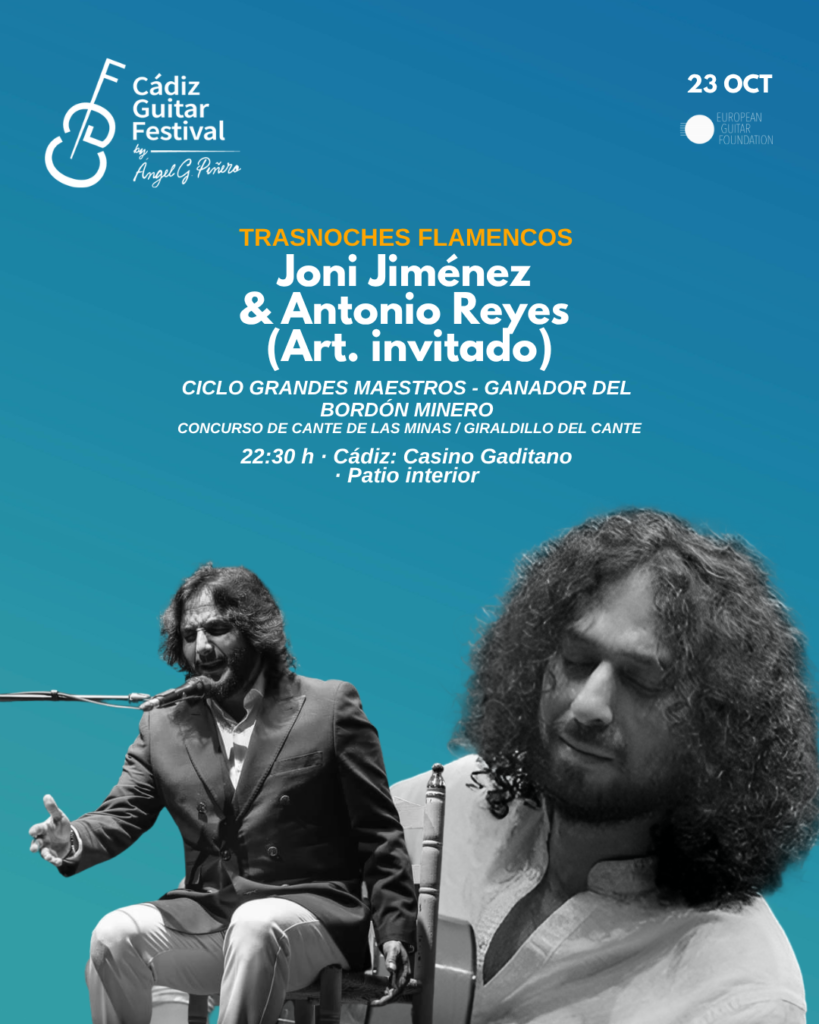
Friday, October 23 at 10:30 p.m.
Casino Gaditano · Inner Courtyard – Cádiz
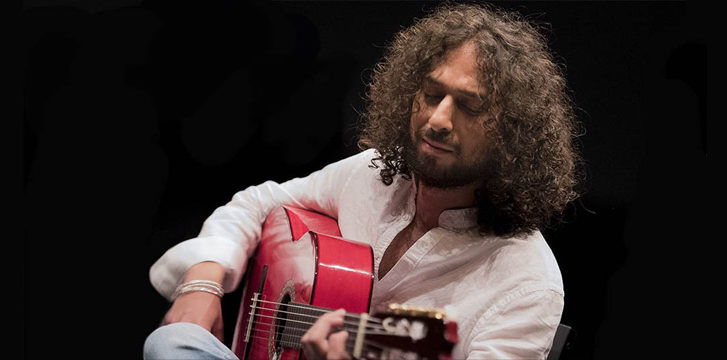
On Friday, October 23 at 10:30 p.m., the Casino Gaditano will host Joni Jiménez and Antonio Reyes for an encounter between two great figures of contemporary flamenco. Jiménez, winner of the Bordón Minero 2024, embodies one of the new leading figures in flamenco guitar, while Antonio Reyes, recognized for his purity, musicality, and the depth of his interpretation, brings one of the most personal voices in current flamenco singing.
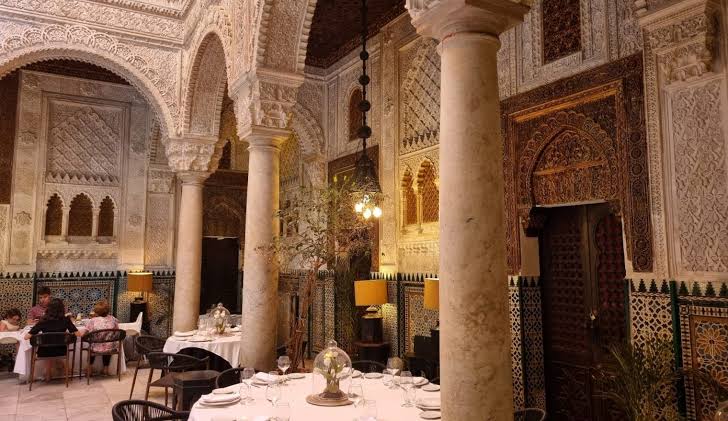
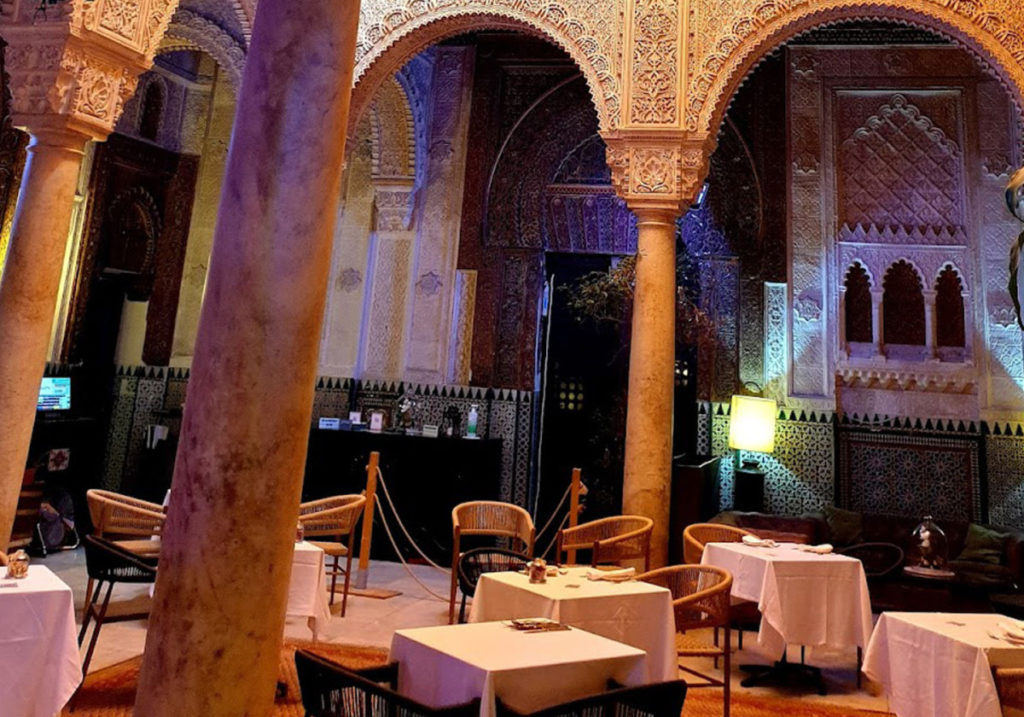
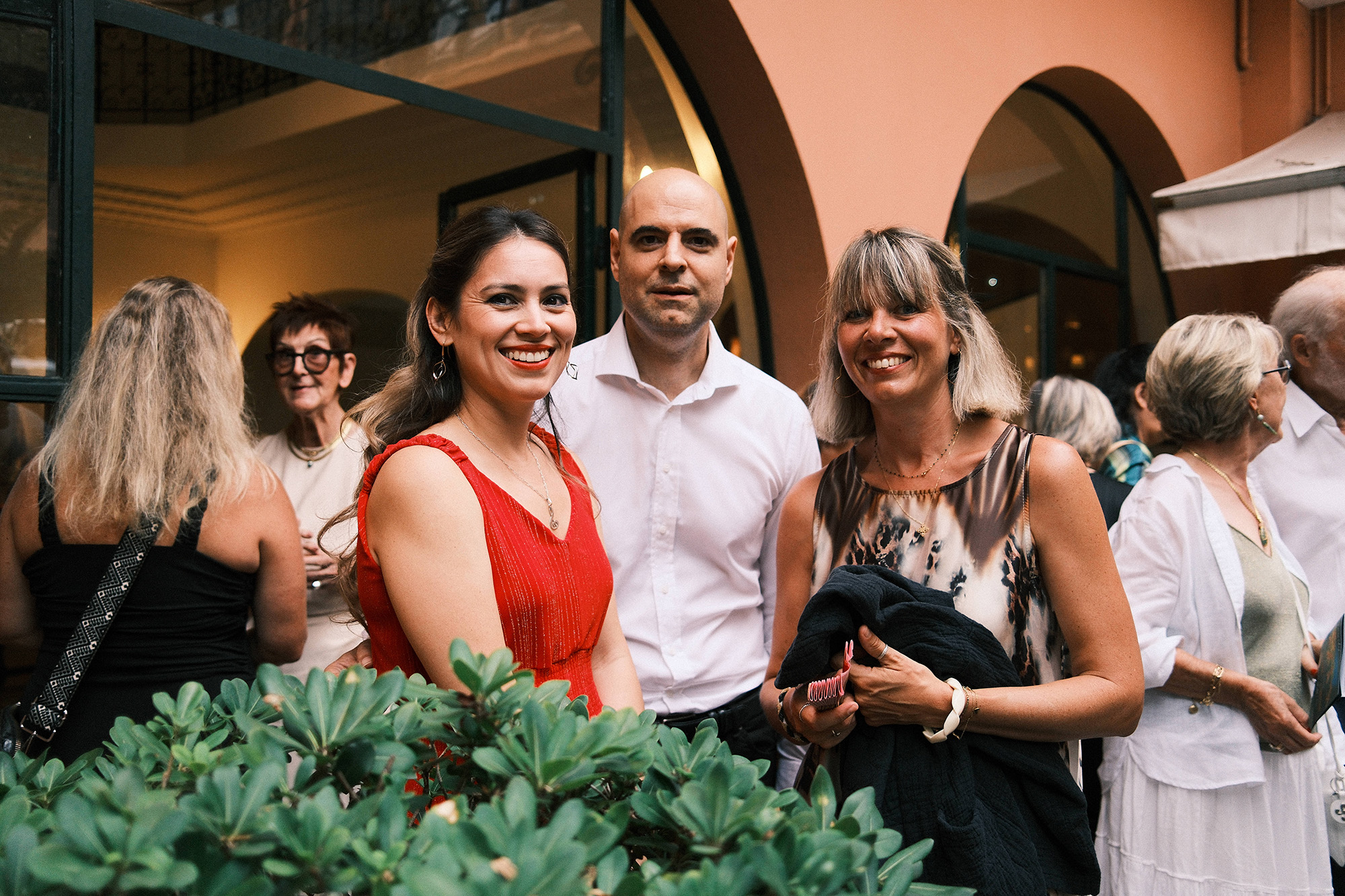
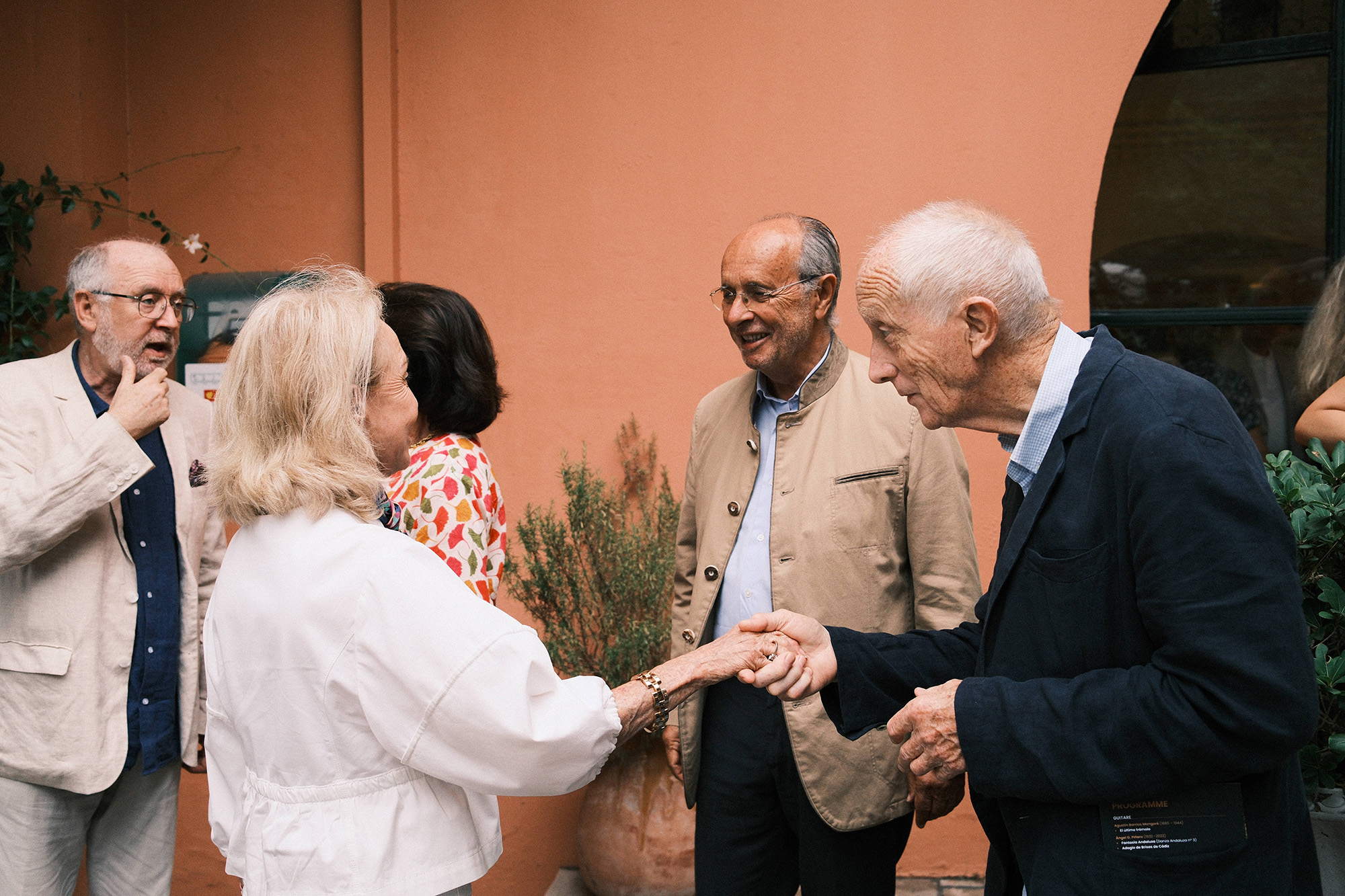
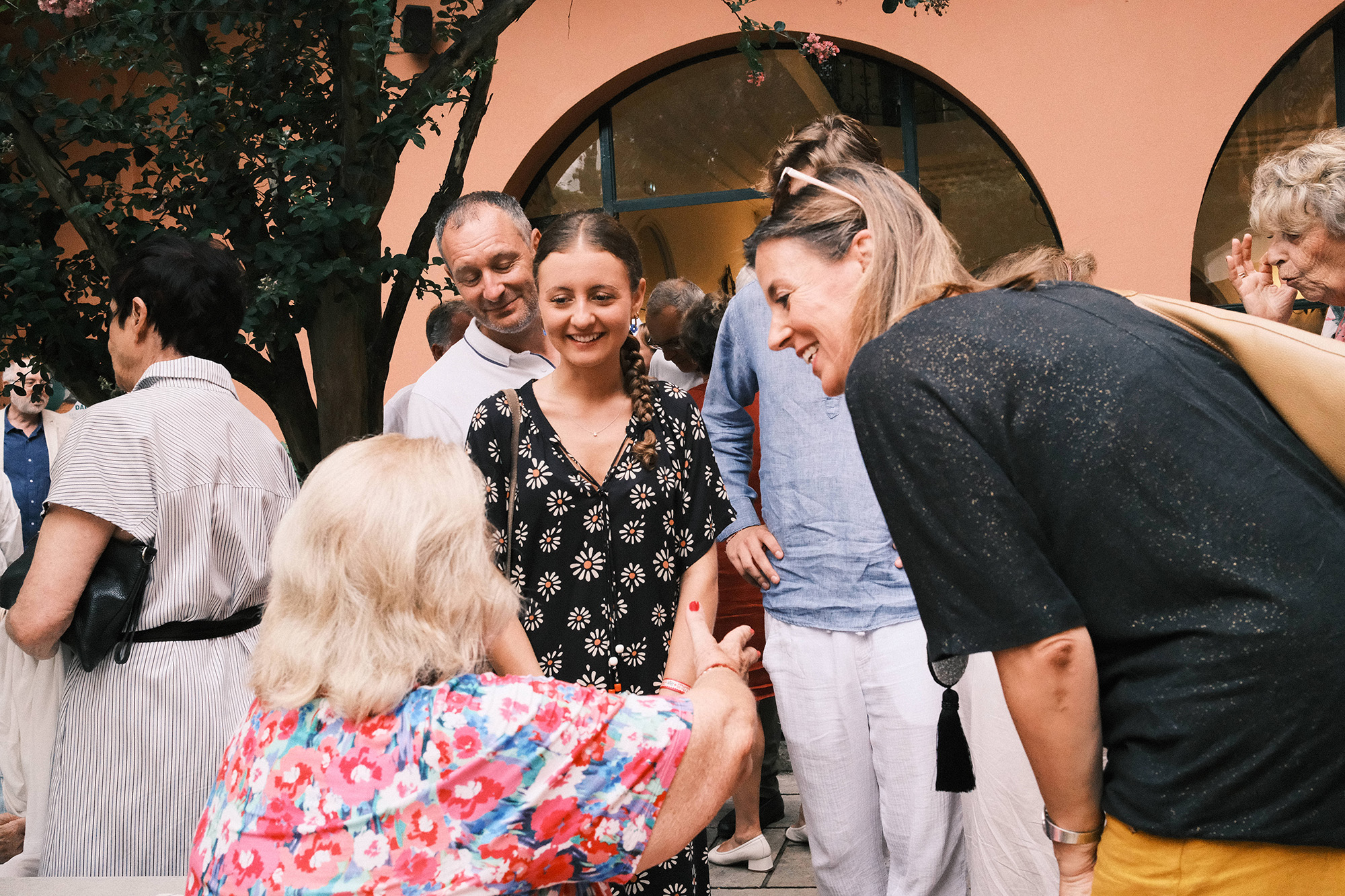
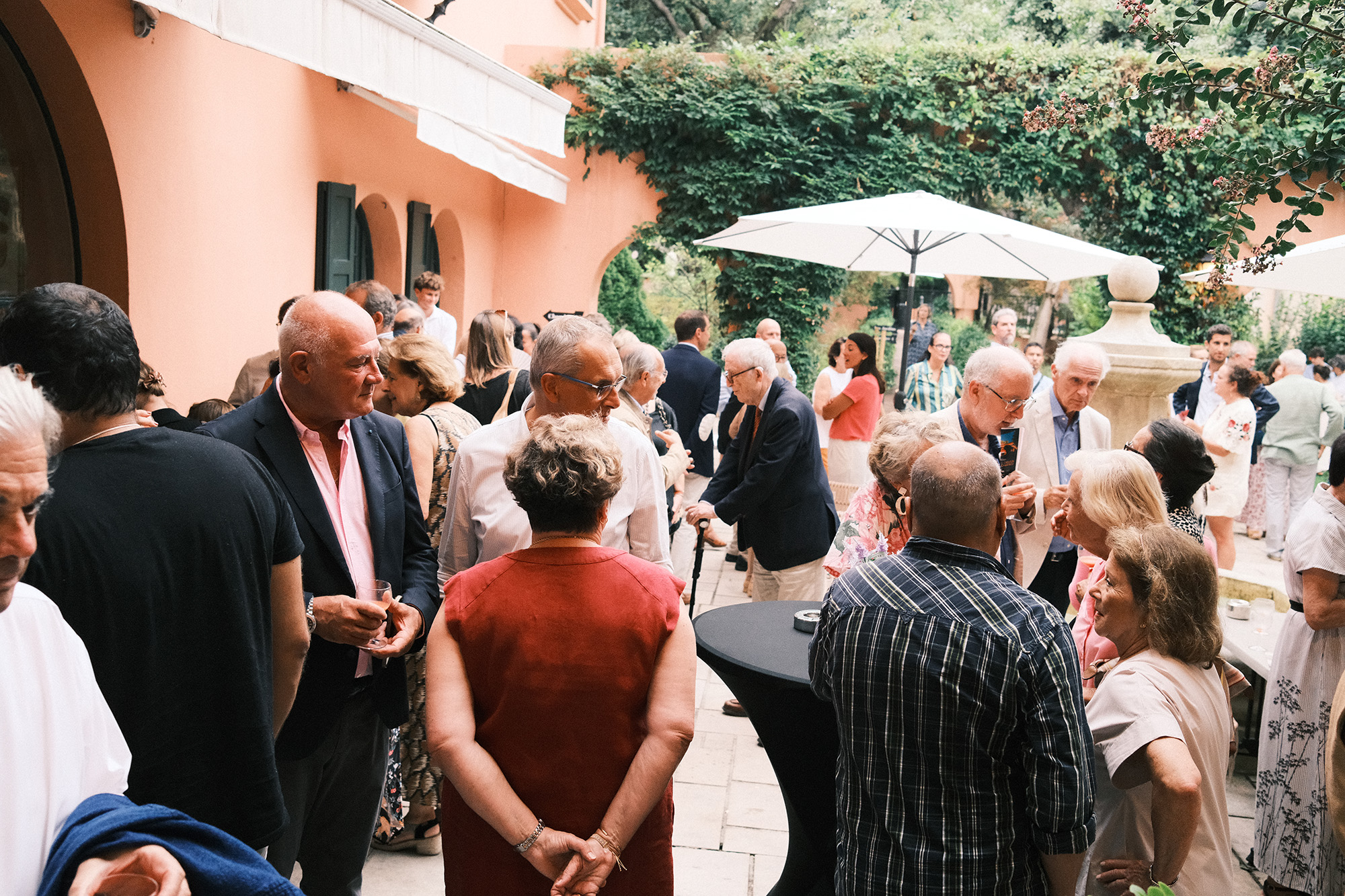
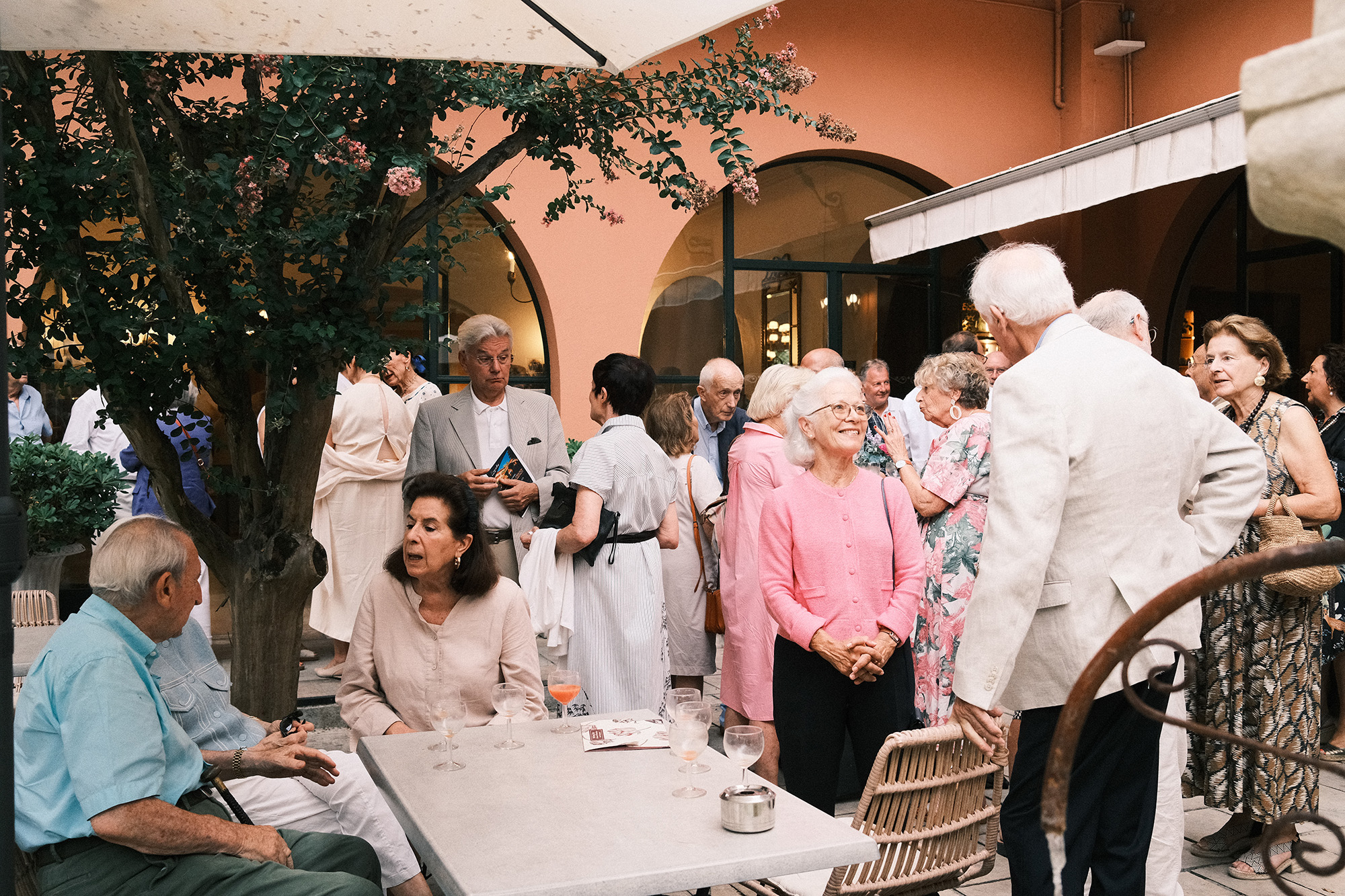
The concert will take place in the inner courtyard of the Casino Gaditano, located on the historic Plaza de San Antonio in Cádiz. The building, of Baroque origin and later renovated in the Isabelline style, retains a unique courtyard decorated in the neo-Mudéjar style, created at the end of the 19th century. This space, closely linked to the social and cultural life of Cádiz, offers a particularly suitable setting for an evening dedicated to flamenco.
THE VENUE
Casino Gaditano · Cádiz
Located at number 15 Plaza de San Antonio, the Casino Gaditano was founded on October 27, 1844, and moved to its current premises in 1848. The building occupies a former mansion belonging to a family of wealthy merchants from the 18th century, linked to the Istúriz family and some of the most significant political episodes of liberal Cádiz. Formerly known as the "Casa Otomana", it was the scene of political meetings and movements during the absolutist reign of Ferdinand VII, before becoming the headquarters of an institution that would eventually become part of the very social and cultural history of the city.
The building stands out for its architecture and the successive transformations it has undergone. In 1857, the architect Juan de la Vega renovated the facade, introducing large Ionic pilasters and decorative elements of Renaissance inspiration, characteristic of Isabelline architecture. At the end of the 19th century, the Sevillian sculptor Adolfo López Rodríguez carried out a new intervention that transformed its inner courtyard into a unique neo-Mudéjar style space, while retaining the Isabelline decoration of the noble halls. This courtyard, surrounded by marble columns and featuring careful ornamentation, is today one of the most recognizable elements of the Casino.
Throughout its history, the Casino de Cádiz has hosted numerous personalities from Spanish political, cultural, and artistic life, including Isabella II, Alfonso XIII, Manuel de Falla, Emilio Castelar, Segismundo Moret, José María Pemán, and Rafael Alberti. In addition to its social activity, the institution distinguished itself from the beginning by its philanthropic action, supporting hospitals, soup kitchens, and various aid initiatives during epidemics, wars, and natural disasters.
Its cultural character is also reflected in its historic library, created in 1858 and currently holding over 10,000 volumes, with collections particularly linked to the history of Cádiz, the Cortes, and Spanish legislation. The Casino continues to host conferences, exhibitions, concerts, and cultural gatherings, thus maintaining its role as a space for dialogue and dissemination. As part of the Cádiz Guitar Festival, its unique neo-Mudéjar patio will be the scene of various performances, creating an encounter between the guitar, flamenco, and one of the most emblematic places of Cádiz's heritage.
EL ESPACIO


TEATRO VILLAMARTA
El concierto tendrá lugar en el magnífico Teatro Villamarta de Jerez de la Frontera.
El Teatro Villamarta es un teatro diseñado en estilo regionalista andaluz por Teodoro Anasagasti, construido en 1926. En 1988 fue declarado Bien de Interés Cultural (BIC).
El 11 de febrero de 1928 se inauguró el teatro con 2.000 localidades. En el espectáculo inaugural se presentaron dos zarzuelas: La viejecita y El huésped del sevillano de mano de la compañía de zarzuelas y operetas de Eugenia Zuffoli. Poco tiempo después se comenzó a proyectar cine mudo. Durante mucho tiempo fue la familia Riba la encargada de gestionar el teatro, llevándolo a cotas nunca vistas en la provincia con un plantel de estrellas que llenaban el teatro.
En junio de 1986, se cerró el teatro y en 1988 lo compró el Ayuntamiento de Jerez. En 1994, se empezaron las obras de reformas del teatro. Entre las modificaciones más importantes están la reducción de las butacas a 1.200 y la eliminación de algunas columnas de mampostería presentes en medio del patio de butacas debidas a la impresión que causó, cuando se construyó, la visión de un anfiteatro tan grande sin ninguna sujeción. El 21 de noviembre de 1996, se reinauguró con un recital de Alfredo Kraus acompañado por la Orquesta Filarmónica de Turingia, siendo gestionado por la Fundación Teatro Villamarta.
El Teatro acoge dos importantes eventos de proyección exterior: el Festival de Jerez y el Centro Lírico del Sur. Este último, en colaboración con otras fundaciones andaluzas, realiza zarzuelas y óperas en producción propia.

THE ARTISTS
Antonio Reyes, Cádiz
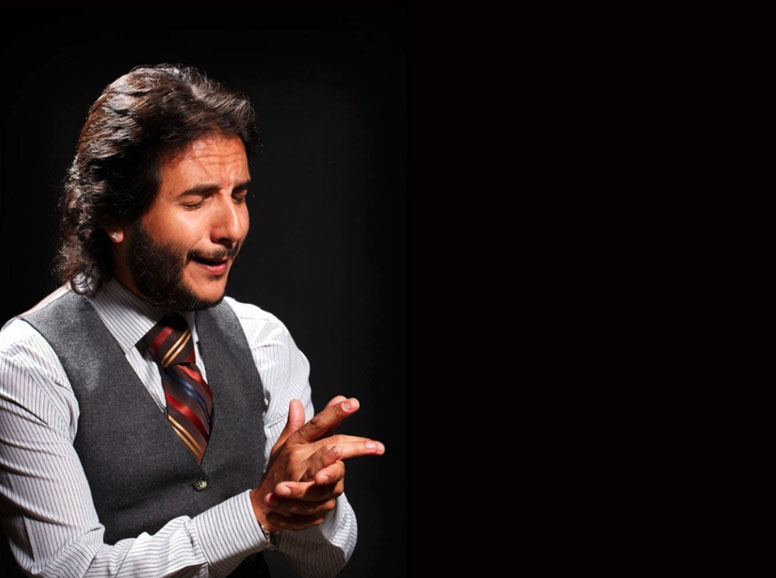
Antonio Reyes Montoya (Chiclana de la Frontera, Cádiz, 1976), known by his stage name Antonio Reyes, is one of the great figures of contemporary flamenco singing and belongs to an illustrious family dynasty linked to flamenco.
Related to artists such as Roque Montoya "Jarrito", Antonio, and Pansequito, he began his artistic career at a very young age. At just six years old, he made his debut in Ojén and, shortly after, he participated in the "Jueves Flamencos" of Jerez, organized by the guitarist Manuel Morao.
During his childhood and adolescence, he began to perform in some of the main flamenco peñas in the province of Cádiz and, at just 12 years old, he won the first prize at the Mijas Competition in the youth category. A year later, he was a finalist in the prestigious Antonio Mairena Cante Jondo Competition. In 1991, alongside guitarist Paco Peña, he participated in several international tours with the shows "Arte y Pasión" and "Misa Flamenca", performing in countries such as France, Italy, England, the Netherlands, Greece, and Switzerland, as well as in American cities like New York, Boston, and Chicago.
His career continued alongside figures such as Manuel Morao and the Gitanos de Jerez, and in 1998, he performed for three weeks at the Círculo de Bellas Artes in Madrid in a show directed by Tito Losada. In 2000, he won the first prize at the Camarón de la Isla Memorial, and in 2001, he received two important distinctions at the National Flamenco Art Competition in Córdoba: the Antonio Mairena Award for siguiriyas and tonás, and the Manolo Caracol Award for soleares and bulerías.
Since then, Antonio Reyes has established himself as one of the most original and recognized voices in flamenco, performing in some of the main festivals and on the biggest stages in Spain, as well as at numerous international events. He has shared the stage with great figures of singing and guitar, including Paco Cepero, Tomatito, Moraito Chico, Parrilla de Jerez, and Manuel Morao, and has developed a close artistic collaboration with the guitarist Antonio Higuero, with whom he has performed on stages in various European cities.
His career, marked by a respect for tradition and his own unique interpretive personality, has also led him to participate in major events such as the Seville Flamenco Biennial, the Villamarta Theater in Jerez, and various national and international festivals. His trajectory has also been recognized with awards such as the Gold Badge of the Peña La Gaviota in Cádiz, thus consolidating his place among the leading voices of Cádiz flamenco.
Joni Jiménez, Madrid
Joni Jiménez (Madrid, 1990) is a young flamenco guitarist from a long line of artists linked to this musical genre.
Great-nephew of Rafael Farina and cousin of Diego El Cigala, he began playing the guitar at the age of five under the guidance of his father, Ángel Jiménez, and his grandfather, Vargas Araceli. Trained in the Madrid school of Caño Roto, under the influence of masters such as Aquilino Jiménez "El Entri", he developed his own style and solid technique early on.
He made his stage debut at a very young age and, while still very young, gained experience in some of the most important flamenco tablaos in Madrid and Barcelona, becoming part of their regular line-ups. Throughout his career, he has accompanied renowned cantaores (singers) such as Ramón El Portugués, El Guadiana, Arcángel, Miguel El Rubio, and Israel Fernández, while working alongside dancers like Antonio Canales, Alfonso Losa, Karime Amaya, Carmen Cortés, and Paloma Fantova.
In 2005, he won the first prize at the Sala Caracol and, a year later, joined La Tati's company. Since 2008, he has been part of the Carmen Mota Ballet, with which he has performed on major international stages, including the Monte-Carlo Casino. In 2014, he participated in the Seville Flamenco Biennial with the show *Cuerpo, mente y alma* and played the leading role, alongside Israel Fernández and El Yiyo, in *Flamenco en Libertad*, the opening show of the Torrelodones Festival.
Throughout his career, he has also shared the stage with guitarists such as Antonio Rey, Diego del Morao, and Jesús de Rosario, thus consolidating a path marked by accompaniment, concert music, and collaboration with great figures of flamenco. His artistic evolution and his constant presence on national and international stages make him one of the most outstanding young talents in current flamenco guitar.
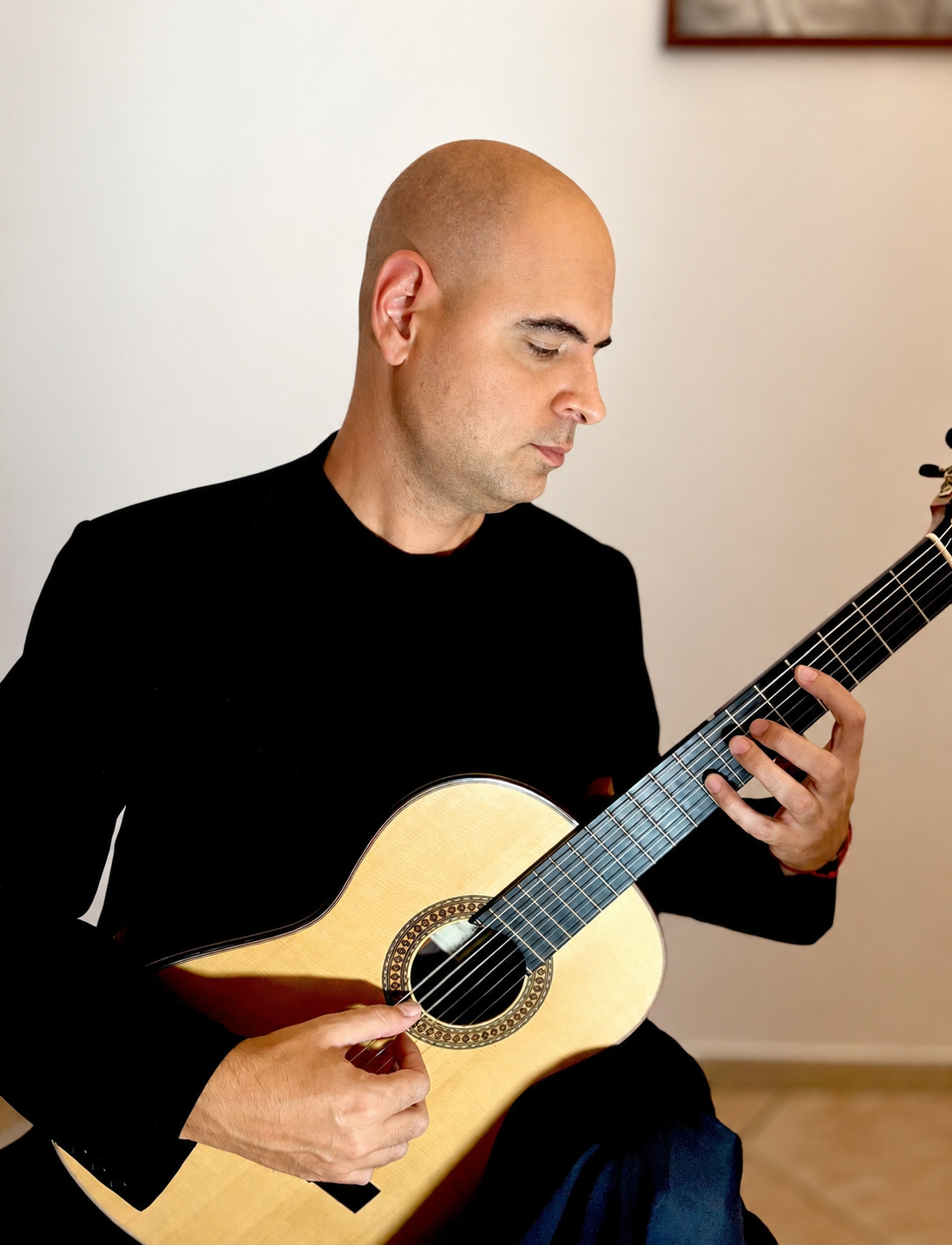
Guitarrista: Daniele Schiavone (Italia)
Daniele, quien comenzó sus estudios de guitarra a los 11 años, desarrolla una actividad concertística como solista y en diversas formaciones de música de cámara, con actuaciones en Italia y en el extranjero
Obtuvo el Título Superior de Guitarra Clásica en el Conservatorio “A. Scontrino” de Trapani (Sicilia) y posteriormente se graduó en el Máster en Guitarra Clásica, con especialización en interpretación concertística en el Conservatorio “Guido Cantelli” de Novara (Italia), graduándose con la máxima calificación (110/110 cum laude).
Desde 2019 colabora con la guitarrista y cantante paraguaya Angélica Rodríguez, interpretando repertorio para dúo de guitarras, guitarra y voz, además de arreglos originales inspirados en la música latinoamericana.
Actualmente es profesor titular de guitarra clásica en el Instituto Comprensivo de Partanna (Sicilia) y cursa el Máster en Música de Cámara en el Conservatorio “Alessandro Scarlatti” de Palermo.
Violinista: Francisco Fullana (España)
El violinista español Francisco Fullana, ganador del Avery Fisher Career Grant 2018, ha sido descrito como un “talento asombroso” (Gustavo Dudamel) y “aterradoramente impresionante” (Buffalo News).
Su álbum para violín solo Bach’s Long Shadow fue nombrado “Elección Instrumental del Mes” por la revista BBC Music Magazine. Su crítica de cinco estrellas afirmaba: “Fullana logra combinar la calidez de Itzhak Perlman con la elegancia aristocrática de Henryk Szeryng”.
Su versatilidad como intérprete, tanto con como sin director, le ha llevado a actuar con numerosos conjuntos a lo largo del espectro artístico: desde grandes orquestas como las Sinfónicas de Birmingham, Charlotte, SWR Deutsche Philharmonie, Pacific y Buffalo, las orquestas de cámara de Saint Paul y Filadelfia, hasta el conjunto barroco Apollo’s Fire y el innovador Metropolis Ensemble, centrado en la música contemporánea. Francisco ha trabajado bajo la batuta de Hans Graf, Pablo Mielgo, José Luis Gómez, Alondra de la Parra, Christoph Poppen, Jeannette Sorrell, Keitaro Harada y Joshua Weilerstein.
Entre los próximos compromisos destacados con orquesta figuran sus debuts con las Sinfónicas de Las Vegas, Minería, Omaha e Indianápolis, la Filarmónica de Boca del Río, así como sus regresos con las orquestas de Tucson, Xalapa y la Sinfonieorchester Aachen, entre otras. También ofrecerá un recital en Cornell University y actuará con la Chamber Orchestra of Philadelphia y la Chamber Music Society of Lincoln Center en su Brandenburg Tour. Su más reciente álbum a dúo, Cosmopolitan, junto a Matthias Kirschnereit, fue publicado por Berlin Classics con gran reconocimiento de la crítica.
Nacido en el seno de una familia de educadores, Francisco es graduado del Real Conservatorio de Madrid, donde estudió con Manuel Guillén. Obtuvo los títulos de Bachelor y Master en la Juilliard School, tras estudiar con Donald Weilerstein y Masao Kawasaki, y posee un Artist Diploma por la USC Thornton School of Music, donde trabajó con la reconocida violinista Midori.
Francisco es un innovador comprometido, impulsando nuevas instituciones de educación musical para jóvenes. Es cofundador del Classical Music Summer Institute de San Antonio. A partir de 2025, asumirá su nuevo cargo como Director Artístico del 210 Festival de San Antonio, y continuará su labor de apoyo a las nuevas generaciones de jóvenes músicos a ambos lados del Atlántico a través de la Fortissimo Youth Initiative.
Francisco Fullana interpreta un violín Guarneri del Gesù de 1735 “Mary Portman” ex-Kreisler, cedido generosamente por Clement y Karen Arrison a través de la Stradivari Society de Chicago.

EL DIRECTOR

JOSÉ ANTONIO MONTAÑO (España)
El madrileño José Antonio Montaño es considerado por la prensa musical especializada como "uno de los directores de orquesta españoles con más proyección del momento". José Antonio ya dirigió la Orquesta en conciertos para la Asociación en el concierto celebrado en el Teatro Real el 24 de marzo de 2022, con motivo del 90 cumpleaños de Ángel, y también en el concierto del 7 de junio de 2024.
Formado al lado de Maestros como Jesús López Cobos, Evelino Pidò o Pinchas Steinberg, José Antonio Montaño viene desarrollando una exitosa y versátil carrera en teatros y auditorios de prestigio internacional a través de todos los géneros (ópera, ballet y sinfónico) abarcando un extenso repertorio que va desde un primer barroco hasta estrenos contemporáneos absolutos.
Orquestas que ha dirigido: Entre las numerosas orquestas que ha dirigido, destacan la Sinfónica de Milán, Sinfónica de Madrid, l’Orchestra del Teatro Carlo Felice de Génova, Orquesta Sinfónica de Castilla y León, Orquesta de la Comunidad de Madrid, Sinfónica de Galicia, l’Orchestra Accademia del Teatro La Scala de Milán, l’Orchestre de l’Opera Royal de Wallonie, l’Orchestre Symphonique de Saint-Étienne, Real Filharmonía de Galicia, Orquesta de Extremadura, Sinfónica de Navarra, Sinfónica de la Región de Murcia, Orquesta de Córdoba, l’Orchestra Filarmonia Veneta y Orquesta Clásica Santa Cecilia entre otras.
Fue director titular de la Orquesta Escuela de la Orquesta Sinfónica de Madrid (2003-2013) y de la Orquesta de la Universidad Carlos III de Madrid (2007-2009). En 2016 funda la orquesta de instrumentos de época La Madrileña, con la que desarrolla diversos proyectos discográficos y de interpretación e investigación musicológica en destacados teatros, auditorios y festivales con repertorios del siglo XVIII.
Los mejores escenarios: Ha dirigido en los teatros más importantes de España como el Teatro Real, Teatro de la Zarzuela, Teatro Monumental, Teatros del Canal, Teatro Español, Teatro María Guerrero, Fundación Juan March y Auditorio Nacional de Música de Madrid, Teatro Arriaga de Bilbao, Palacio de Festivales de Santander, Auditorio Baluarte de Pamplona, Teatro Romano de Mérida, Auditorio Ciudad de León, Teatro Principal de Mahón, Teatro Colón de La Coruña, Teatro Víctor Villegas de Murcia.
En Italia en el Teatro La Scala de Milán, Teatro Carlo Felice de Génova, Teatro Valli de Reggio Emilia, Comunale de Ferrara, Comunale de Treviso y Palacio Real de Nápoles. En Francia en el Grand Théâtre Massenet de Saint-Etienne. En Rusia en el teatro Alexandrinsky de San Petersburgo y en Bélgica en la Opéra Royal de Wallonie-Liège.
EL PROGRAMA
Giuliani: Grande Ouverture Op. 61
Tárrega: Fantasía sobre motivos de la Traviata de Verdi
Ángel G. Piñero
- Meditación
- Suite la Mar
Mauro Giuliani: Rossiniana Op. 119 n.1
VÍDEOS
Vídeo concierto
Acto y concierto
PRENSA
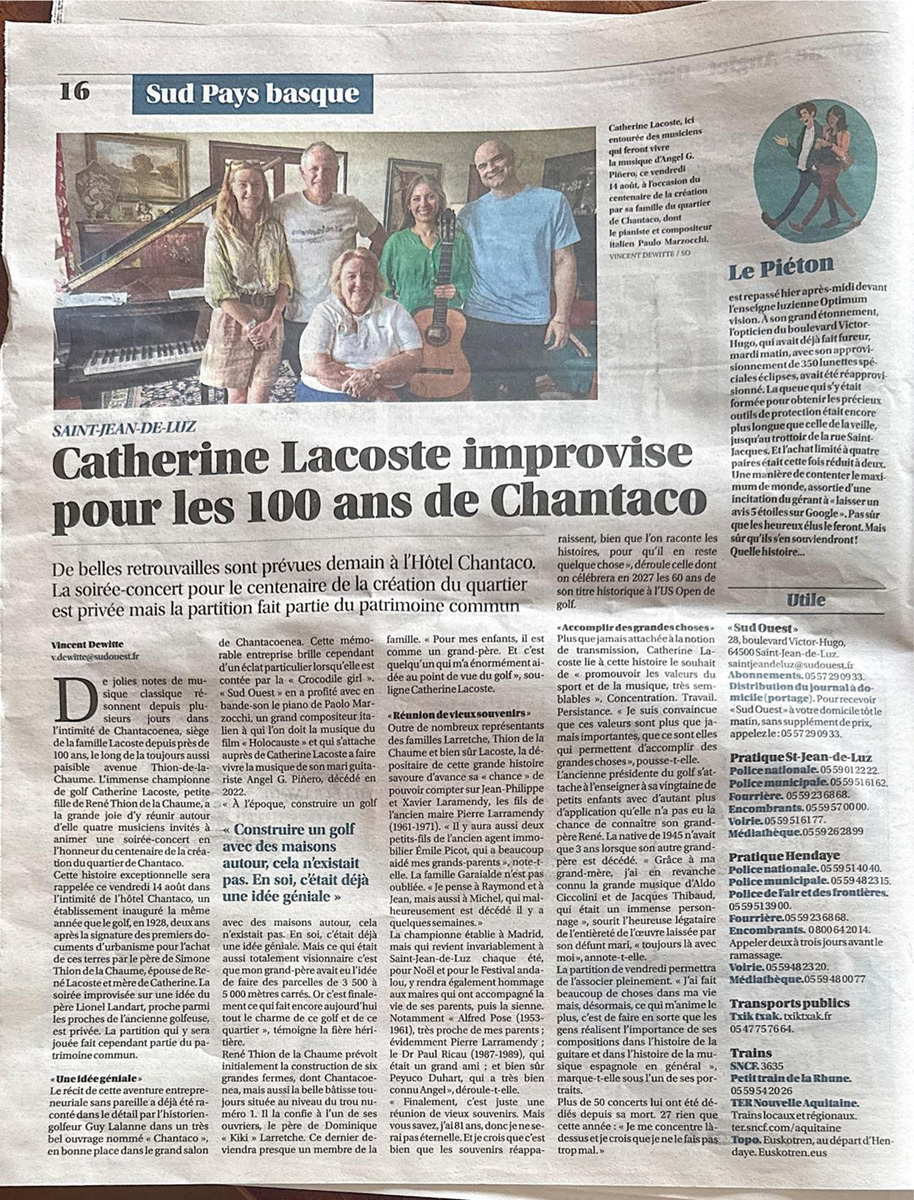
El 11 de noviembre a la 19:00 se organiza a través de la Asociación de guitarra clásica Ángel G. Piñero, un concierto de guitarra sola y guitarra y cuarteto de cuerdas en la sala Manuel de Falla de la SGAE. Es un concierto monográfico de parte de las obras de Piñero, que serán interpretadas por un concertista ucraniano premiado, Stalisnav Stetshenko y el cuarteto Chagall.
El programa incluye las obras Preludio Azul, El viento de la vida, Murmullo musical, Balada a una desconocida, Viaje Nocturno, Alegrías en el puerto, Canto a la serranía y Brisas de Cádiz.


